
Where Telluride Is Headed: A Look at the Market After 2025
As we look ahead to 2026, it’s worth pausing on what really shaped Telluride in 2025—not in terms of headlines, but in terms of direction. This past year had moments that demanded attention, including the ski resort closure earlier this winter, which served as a reminder that even well-established mountain communities experience disruptions from time to time. That reality is part of living in a real place rather than a manufactured destination. When you zoom out, however, 2025 was defined by steady, meaningful progress. Those quieter years often matter most in the long run.
One of the most common questions we hear from buyers is whether Telluride is still early in its evolution or already a mature market. The honest answer is that Telluride now sits in a middle ground that is increasingly rare. It is no longer under the radar, but it is also not fully saturated in the way markets like Aspen have become. Aspen is extremely mature, values are among the highest in the country, inventory is tight, and much of the upside has already been realized. Telluride, by contrast, still feels like it is completing its long arc rather than closing the book. That distinction matters to buyers who think in decades rather than quarters.
National attention has begun to reflect this positioning. In early 2026, Forbes pointed to Telluride as one of the places affluent buyers are increasingly watching, particularly as alternatives to more established luxury ski markets. From a local perspective, that attention feels less like a sudden discovery and more like a delayed recognition of fundamentals that have been in place for a long time. Telluride’s appeal is rooted in scarcity, geography, access to nature, and a lifestyle that has remained intentionally human-scaled.
Like every resort community, Telluride experienced a surge during the COVID years. Demand accelerated, timelines compressed, and pricing moved quickly. What has been notable since then is how the market has settled. Rather than giving back gains, Telluride has moved into a more balanced and resilient phase. Buyers today are more selective, sellers are more realistic, and transactions are driven less by urgency and more by fit. Compared with other resort markets that have softened meaningfully since 2022, Telluride has held up well. That strength has less to do with hype and more to do with limited supply, geographic constraints, and long-term desirability.
Much of the progress in 2025 occurred quietly, but it carries real implications for people who live here or spend significant time here. After decades of discussion, land was secured for a future regional medical center as part of the Society Turn PUD approval. Beyond healthcare access itself, the location reflects a broader effort to keep essential services, employment, and workforce housing closer to town rather than pushing everything farther down the valley. San Miguel County also approved a phased update to the employee housing impact mitigation fee, bringing it more in line with the true cost of growth and reinforcing a long-standing commitment to keeping the local workforce integrated into the community. These are technical changes, but they speak to a consistent long-term goal of preserving Telluride as a functioning town, not just a destination.
Infrastructure continued to move forward as well. Telluride Regional Airport saw progress with new hangar development and airfield planning, supporting more reliable year-round access. Planning also advanced toward a future replacement of the Gondola, with a target timeline around 2028, reinforcing confidence in the durability of Telluride’s core transportation system. In Mountain Village, meaningful progress was made on the Four Seasons project, which represents the completion of the original master plan for the village core. For buyers, that coherence matters in terms of walkability, services, and long-term appeal. For sellers, it reinforces confidence in the area’s permanence and role within the broader Telluride market.
For buyers considering Telluride today, the appeal is not about chasing momentum. It is about clarity. Inventory remains limited, new development opportunities are constrained, and well-located properties—particularly those with ski access or proximity to town and village centers—continue to hold value even as the market normalizes. Buyers comparing Telluride to more mature markets often arrive at the same conclusion: Telluride still feels like a place that is becoming itself rather than one that finished that process years ago.
For sellers, 2025 reinforced the importance of thoughtful positioning. The broad-based bidding wars of the recent past are largely behind us, but well-priced, well-located properties continue to perform. Buyers are informed, they are comparing markets, and they are responding to context as much as price. Understanding how a property fits into the broader evolution of Telluride has become an increasingly important part of successful outcomes.
Looking back, 2025 was not defined by a single headline or market statistic. It was shaped by incremental, meaningful progress focused on long-term viability, balance, and livability. Viewed through a longer lens, the Telluride real estate market feels less like it is at a peak and more like it is at a midpoint in a much longer story. At Telluride Properties, Jonathan Yaseen and Ryan Yaseen of Yaseen Brothers spend much of their time helping buyers and sellers navigate exactly these kinds of transitions, focusing less on short-term noise and more on where the market is actually headed. If you are thinking about Telluride through that same long-term lens, these are the conversations that tend to matter most heading into 2026 and beyond.
August 10, 2026
August 10, 2026
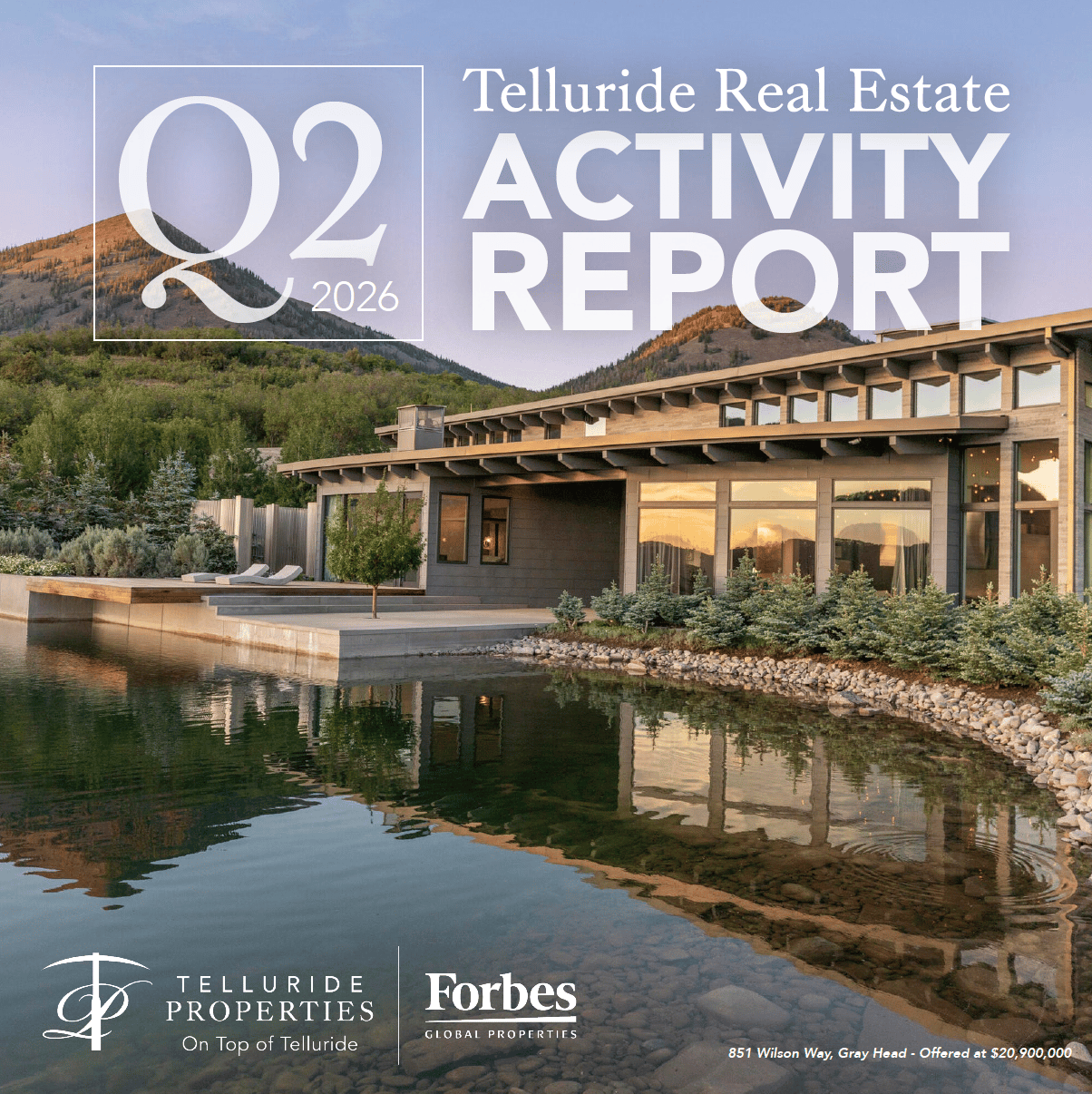
Telluride Real Estate Market Q2 2026: The Three Tiers Explained — Where Buyers Win
August 10, 2026
August 10, 2026
July 12, 2026
"Fewer Deals More Dollars" is a popular headline .... here is what it really means in detail
June 25, 2026
Is Telluride Real Estate Crashing or Booming?
June 15, 2026
June 14, 2026
June 11, 2026
Pairing his decade of experience in service and hospitality with his local upbringing and knowledge of the San Juan Mountains, Ryan offers outstanding support as a Buyer or Sellers agent with a focus on the Telluride region.